

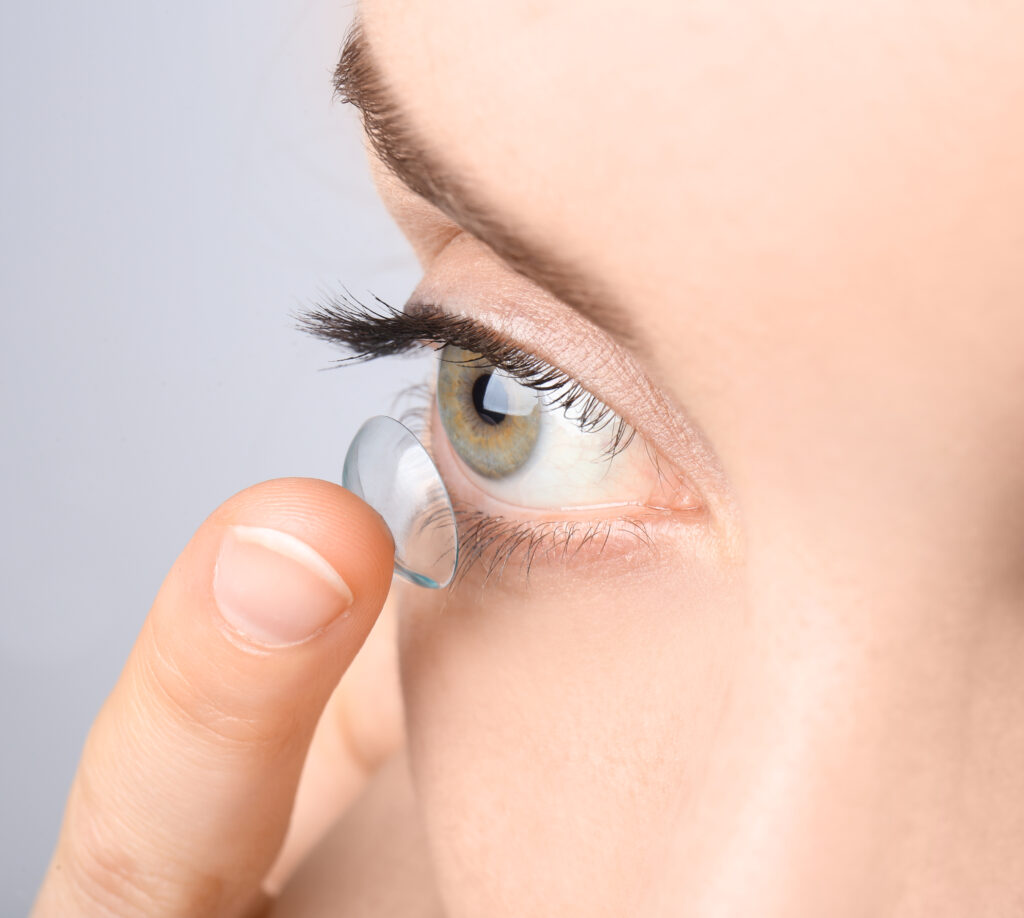
Millions of Americans rely on contact lenses every day for clear, convenient vision. When worn and cared for properly, contact lenses are a safe and effective option for vision correction. However, even small shortcuts in contact lens hygiene can increase the risk of serious eye infections and vision complications.
During Contact Lens Health Week, the American Optometric Association (AOA) and the Optometric Physicians of Washington join the Centers for Disease Control and Prevention (CDC) in encouraging patients to practice healthy contact lens habits and schedule an appropriate comprehensive eye and contact lens exam with their optometric physician.
Why Contact Lens Care Matters
Your contact lenses sit directly on the surface of your eye. If bacteria, fungi, or other microorganisms contaminate your lenses or lens case, they can lead to painful infections of the cornea (the clear front surface of the eye). Some infections can develop quickly and may even result in permanent vision loss if left untreated.
Fortunately, most contact lens-related eye infections are preventable with proper hygiene and continuous eye care. Unfortunately, the CDC estimates that nearly all contact lens wearers report at least one habit that increases their risk of infection.
Healthy Contact Lens Habits
Following a few simple guidelines can significantly reduce your risk of complications.
Always wash and dry your hands
Before handling your contact lenses:
- Wash your hands thoroughly with soap and water.
- Dry them with a clean, lint-free towel.
- Avoid using lotions or oily products before inserting your lenses.
Clean, “sterile” hands help prevent bacteria and debris from transferring to your lenses.
Never sleep in your contact lenses
Unless your eye doctor has specifically prescribed lenses approved for overnight wear, remove your contacts before going to bed.
Sleeping in contact lenses reduces oxygen to the cornea, allows contaminants to reside in the eye overnight, and dramatically increases the risk of eye infections.
Never use water on your contacts
All water, including tap, bottled, and distilled, can contain microorganisms that may attach to your lenses and cause serious eye infections. Never use water to clean or store your contact lenses. Always use an appropriate contact lens solution.
Remove your contacts before:
- Swimming
- Showering
- Using a hot tub
- Water sports
If your lenses come into contact with water, remove and disinfect them according to your doctor’s instructions, or replace them if they are daily disposable lenses.
Replace your lenses on schedule
Whether you wear daily, biweekly, or monthly lenses, follow the replacement schedule prescribed by your eye care provider.
Trying to “stretch” the life of your contacts may increase protein buildup, bacteria, and discomfort.
Clean and replace your lens case
If you wear reusable lenses:
- Empty old solution after every use.
- Rinse the case with fresh contact lens solution (never tap water).
- Allow the case to air dry.
- Replace your lens case every three months or sooner if it becomes damaged.
A dirty lens case is one of the most common sources of contamination.
Never “top off” contact lens solution
Always discard old disinfecting solution and use fresh solution each time you store your lenses. Adding new solution to old solution reduces its ability to disinfect your lenses properly.
Don’t ignore symptoms
If you notice any of the following while wearing contacts:
- Eye pain
- Redness
- Blurry vision
- Light sensitivity
- Excessive tearing
- Eye discharge
Remove your contact lenses immediately and contact your eye doctor. Early treatment can prevent more serious complications.
Decorative Contact Lenses Aren’t Risk-Free
Colored or costume contact lenses may seem harmless, but they are still medical devices.
Never purchase decorative contacts from:
- Costume shops
- Beauty supply stores
- Online retailers that do not require a prescription
Poorly fitting or counterfeit lenses can scratch the eye and increase the risk of infection. Always obtain contact lenses through a licensed eye care professional.
Keep Up With Your Annual Eye Exam
Even if your vision seems unchanged, annual contact lens exams are important.
During your exam, your eye doctor evaluates:
- The health of your cornea
- Lens fit and comfort
- Tear film quality
- Changes in your prescription
- Early signs of infection or inflammation
Your eyes can change over time, and regular evaluations help ensure your lenses continue to fit safely and comfortably.
Protect Your Vision Every Day
This Contact Lens Health Week, take a few moments to review your daily routine. Simple habits like washing your hands, replacing your lenses on schedule, and attending regular eye exams can go a long way toward keeping your eyes healthy.
If you’re interested in exploring other vision correction options such as LASIK or SMILE, ask your eye doctor or our experienced refractive surgery team, as they are also very happy to help answer your questions.

