

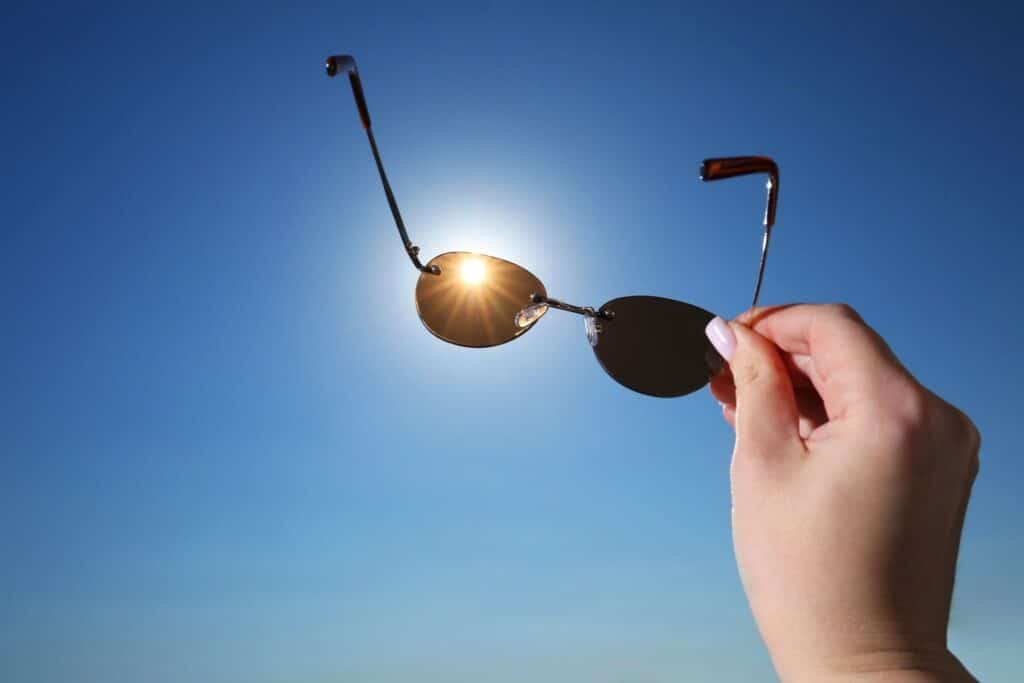
Why Eye Protection Matters During Summer
July is UV Safety Month, a perfect time to remember that protecting your skin isn’t the only thing you should do when spending time outdoors. Your eyes are also vulnerable to damage from the sun’s ultraviolet (UV) rays.
Most people understand the importance of sunscreen, but fewer realize that long-term exposure to UV radiation can increase the risk of serious eye conditions, including cataracts, growths on the eye, and even certain forms of eye cancer. Fortunately, protecting your vision is simple with the right eyewear and sun-smart habits.
How UV Rays Affect Your Eyes
Ultraviolet radiation from the sun can damage the delicate tissues of the eye over time. Just as UV exposure can age and harm your skin, it can also contribute to changes within the eye that may impact vision and overall eye health.
Prolonged exposure to UV rays may increase the risk of:
- Cataracts
- Pterygium (a growth on the surface of the eye)
- Age-Related Macular Degeneration (ARMD)
- Photokeratitis (sunburn of the eye)
- Certain cancers affecting the eyelids and surface of the eye
Because UV damage accumulates throughout your lifetime, taking preventive measures now can help protect your vision for years to come.
Cataracts and Sun Exposure
A cataract occurs when the eye’s natural lens becomes cloudy, causing blurred vision, glare, difficulty driving at night, and other visual symptoms. While aging is the most common cause of cataracts, research suggests that long-term UV exposure may increase the likelihood of developing cataracts earlier or more severely.
Since cataracts are one of the leading causes of vision impairment worldwide, reducing UV exposure is an important step in preserving healthy vision.
Age-Related Macular Degeneration Risk
According to the American Optometric Association, overexposure to solar radiation increases the risk of macular degeneration (ARMD). ARMD is a progressive eye disease that affects the macula, the central part of the retina responsible for sharp, detailed vision needed for reading, driving, and recognizing faces. It is one of the leading causes of vision loss in adults over age 50.
If you are over age 50, have a family history of macular degeneration, or smoke or previously smoked, regular comprehensive eye exams are especially important. Early detection of AMD can help preserve vision and allow treatment to begin before significant vision loss occurs.
Can Your Eyes Get Sunburned?
Yes. Just like your skin, your eyes can experience a form of sunburn called photokeratitis.
Photokeratitis occurs when the cornea, the clear front surface of the eye, is exposed to excessive UV radiation. This condition can cause:
- Eye pain
- Redness
- Excessive tearing
- Sensitivity to light
- Blurred vision
- A gritty or sandy sensation in the eyes
In severe cases, UV rays reflected off water, sand, snow, or other bright surfaces can cause significant damage in just a few hours. While symptoms are usually temporary, they can be extremely uncomfortable and may temporarily impair vision.
Water, Sand, and Snow Increase UV Exposure
Many people assume UV exposure is only a concern on hot, sunny days. In reality, reflective surfaces can intensify UV exposure by bouncing sunlight directly into your eyes.
Common reflective surfaces include:
- Water
- Sand
- Concrete
- Snow
- Glass buildings
Whether you’re spending a day at the beach, boating on a lake, hiking, skiing, or spending time outdoors, your eyes may be exposed to more UV radiation than you realize.
How to Protect Your Eyes from UV Damage
The good news is that protecting your eyes is simple and effective.
Choose Sunglasses That Block 100% of UV Rays
When shopping for sunglasses, look for labels that indicate:
- 100% UV protection
- UV400 protection
- Protection against both UVA and UVB rays
Darker lenses do not necessarily provide better UV protection. The most important factor is the lens’s ability to block harmful ultraviolet radiation.
Wear a Broad-Brimmed Hat
A wide-brimmed hat can significantly reduce the amount of UV light reaching your eyes and the sensitive skin around them. Combining a hat with UV-blocking sunglasses offers the best protection.
Protect Children’s Eyes
Children often spend more time outdoors and may receive substantial UV exposure at a young age. Providing children with properly fitting sunglasses and hats can help protect their developing eyes from cumulative sun damage.
Don’t Skip Eye Protection on Cloudy Days
Up to 80% of UV rays can penetrate cloud cover. Even when the sun isn’t visible, UV radiation may still reach your eyes. Make sunglasses part of your daily routine whenever you’re outside.
Prioritize Your Long-Term Eye Health
Protecting your eyes from UV radiation is one of the easiest ways to support lifelong vision health. Simple habits like wearing quality sunglasses and a broad-brimmed hat can help reduce your risk of cataracts, eye growths, and other sun-related eye conditions.
If you’re experiencing changes in your vision or it’s been more than a year since your last comprehensive eye exam, scheduling an evaluation with an eye care professional can help identify potential concerns early.
Schedule an Eye Exam with Your Family Eye Doctor
Regular eye exams are the most important step in keeping your eyes healthy. Schedule a routine eye exam with your family eye doctor yearly, or as recommended by your provider.
Find a family eye doctor here: https://www.aoa.org/healthy-eyes/find-a-doctor
Resources:
American Optometric Association: Ultraviolet protection https://www.aoa.org/healthy-eyes/caring-for-your-eyes/uv-protection

